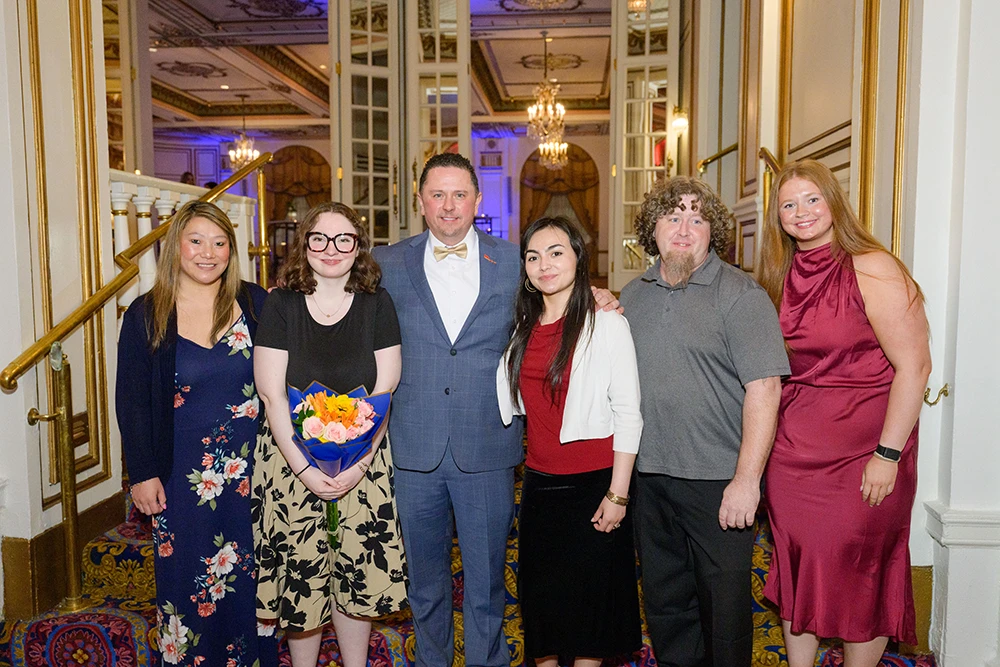
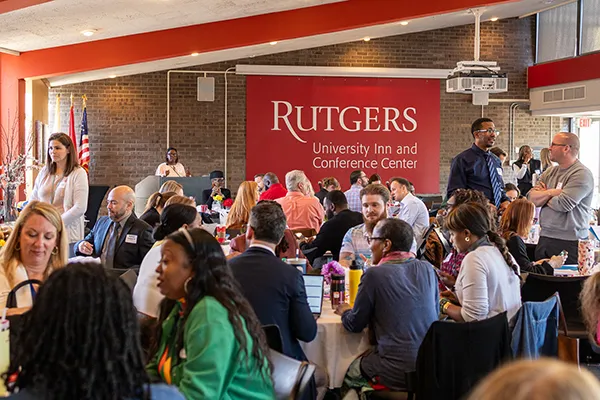
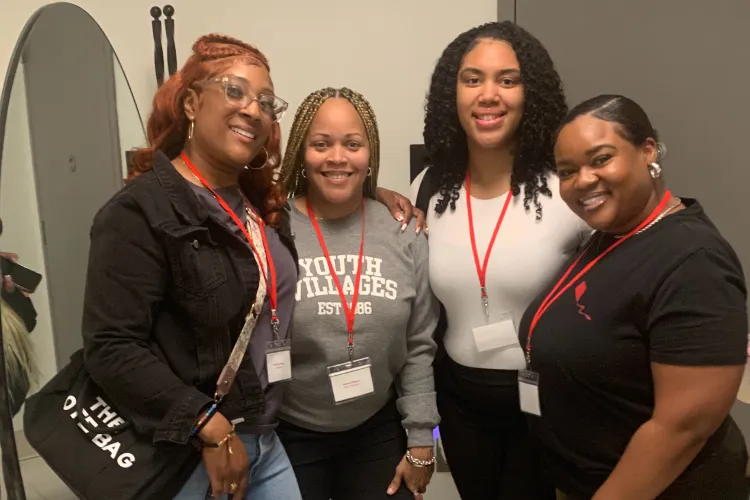
There are moments throughout the year that remind us why community matters and Red Kite Nite 2026 was one of them. The event was a reflection of what happens when a village comes together with a shared purpose: to ensure every young person has the opportunity to dream bigger and achieve more.
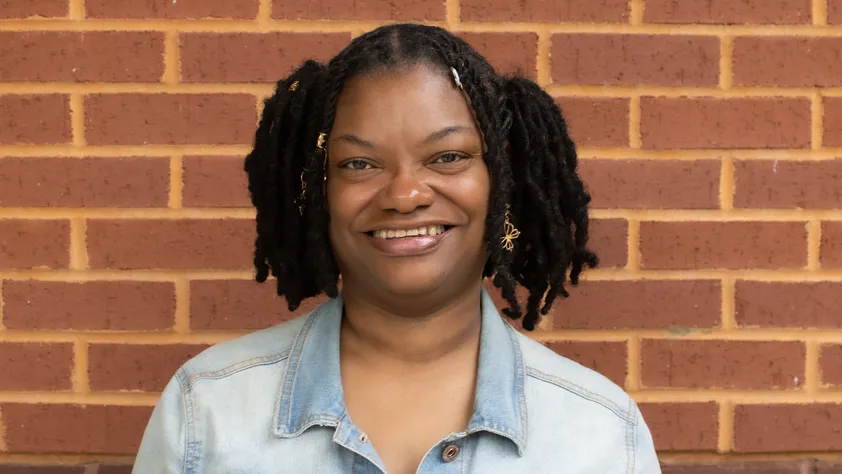
Mentoring has long been a part of Kenitra Stevens’ life. From serving with AmeriCorps in college to guiding teen mothers and working as a teacher, Stevens has consistently supported young people.
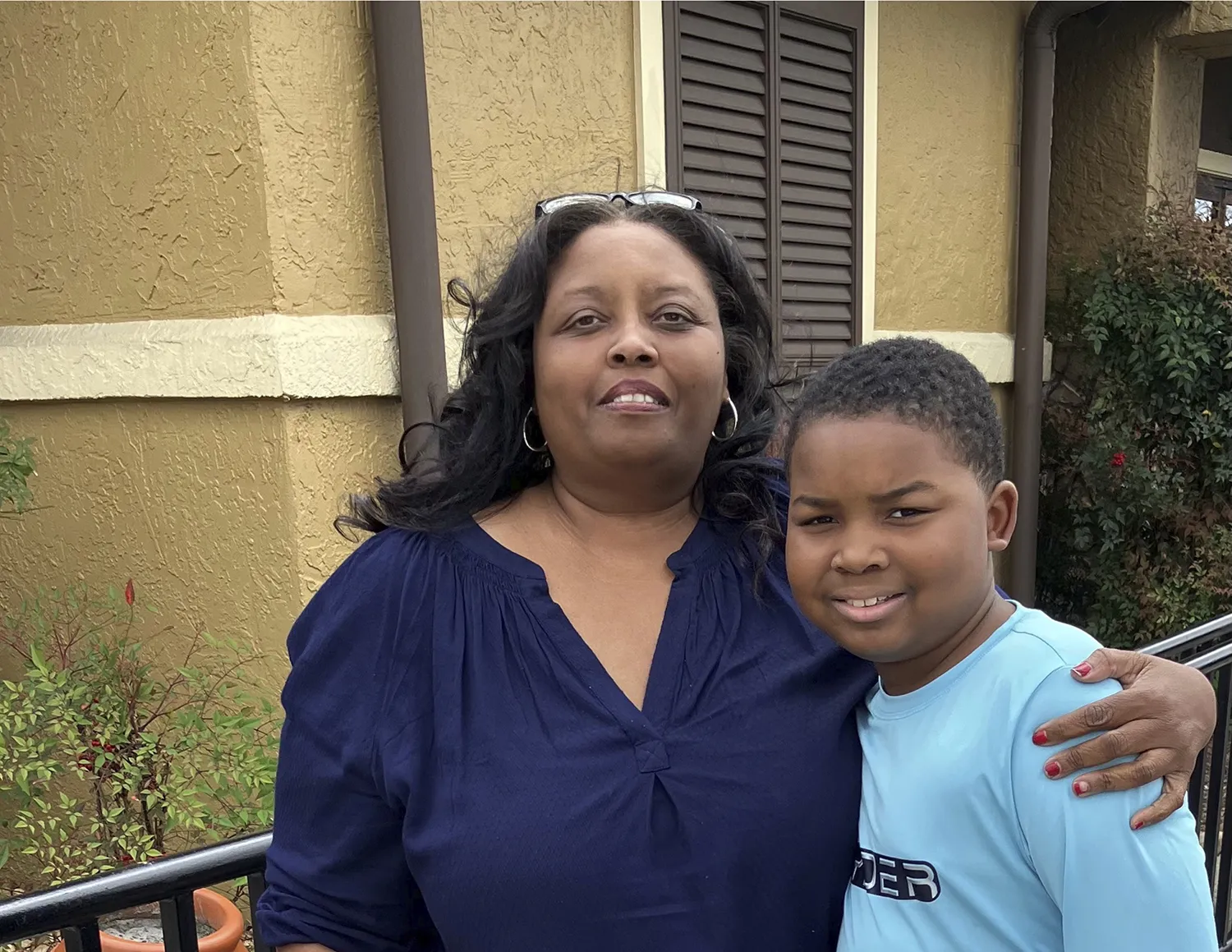
Henrietta, a single mom in suburban Atlanta, lived in constant fear – terrified she might lose her young son, Darrion, or that someone who didn’t understand his mental and behavioral struggles might hurt him.
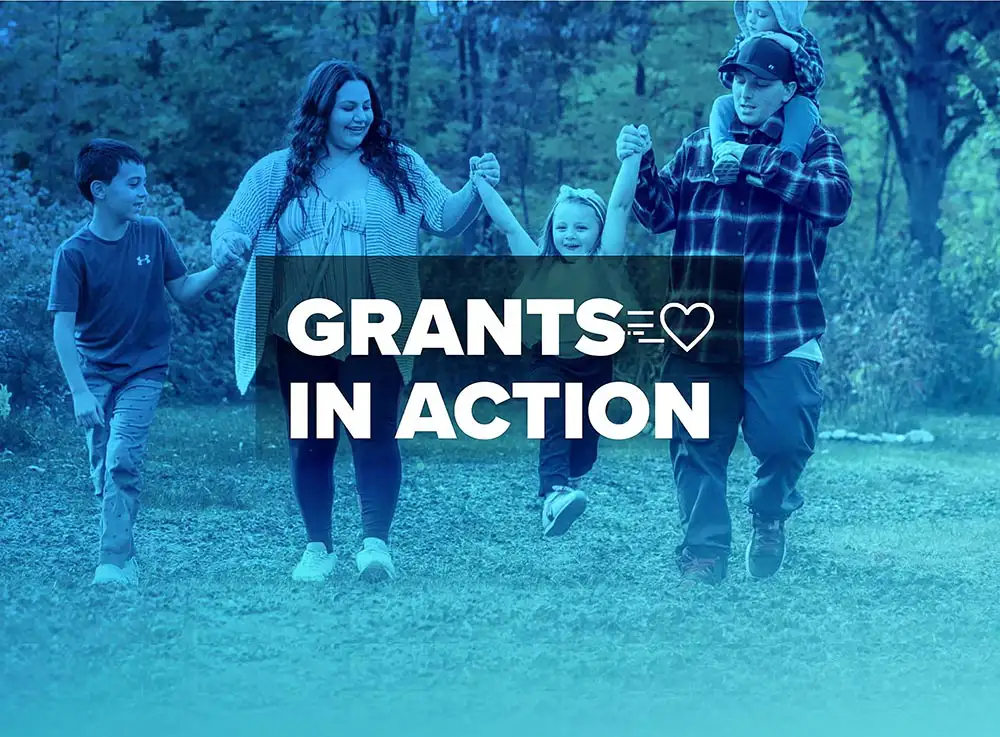
This National Philanthropic Trust feature highlights how Youth Villages supports children and young people facing complex challenges through evidence-based programs.
The Administration for Children and Families’ ‘A Home for Every Child’ initiative gives states a new focus to streamline the Child and Family Services Review (CFSR) with one goal: achieving a 1:1 ratio of children to available foster home. As developments are moving quickly, Impact & Insights will provide regular updates on the initiative.
The Administration for Children and Families (ACF) is accelerating state and tribal use of seven evidence-based in-home services/home visiting programs as part of its drive to achieve a foster home-to-child ratio greater than 1:1 in every state.
Nick, 17, had been living in hotels around Atlanta with his mom and two siblings for more than a year. There was physical and emotional abuse, food insecurity, prevalent substance abuse, and very little structure or supervision. Diagnosed with ADHD and intellectual disabilities, Nick started acting out. He was suspended from school twice in just a few weeks, took his mother’s car without permission and refused his medication.
Supporting older youth in foster care requires a different kind of workforce. Young people ages 16 to 23 are moving toward adulthood while navigating questions about housing, education, employment, relationships and permanency. Traditional case management structures do not always give staff the time or flexibility to meet their needs in a meaningful way.
Dressing for success, from head to toe and all points in between, is more about capturing the air of positivity than showing off the hottest designer gear and bling.